

ByWard Market, 1826: How a Public Market Anchored 200 Years of Land Value
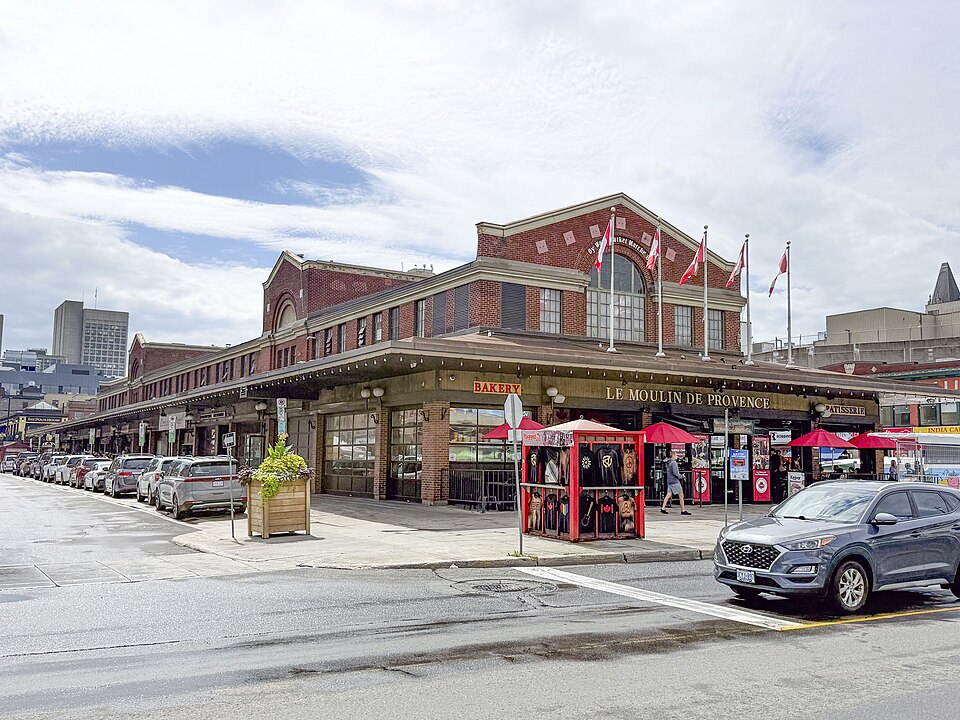
A Market Built on a Drained Swamp
In 1826, Lieutenant-Colonel John By the same engineer building the Rideau Canal personally laid out the streets and market square in what's now Lower Town. The land itself wasn't much to look at beforehand: a dense cedar bog that had to be drained and cleared before anyone could build on it. By wanted the site to help provision the small army of workers constructing the canal nearby.
The first actual market building went up on George Street in 1827, with a weighing machine, market stalls, and a public meeting hall. It wasn't fancy, but it gave Bytown's growing population a reason to gather in one spot and that spot never really stopped being the centre of things.
Burned Down, Rebuilt, Rebuilt Again
The market didn't stay put or stay standing easily. The original building was dismantled in 1842 and replaced in 1848. That one burned down in a fire in 1862, and its replacement wasn't ready until 1865. By 1876 the same year Bytown had been Ottawa for two decades a fourth market building went up between George and York Streets, designed by architect James Mather.
Through every rebuild, the market kept its hold on the same few blocks. A bell installed in that era still gets rung most mornings by locals and visitors today, a small daily ritual tying the current market back to the one Colonel By laid out a century and a half earlier.
Still the Centre of Things
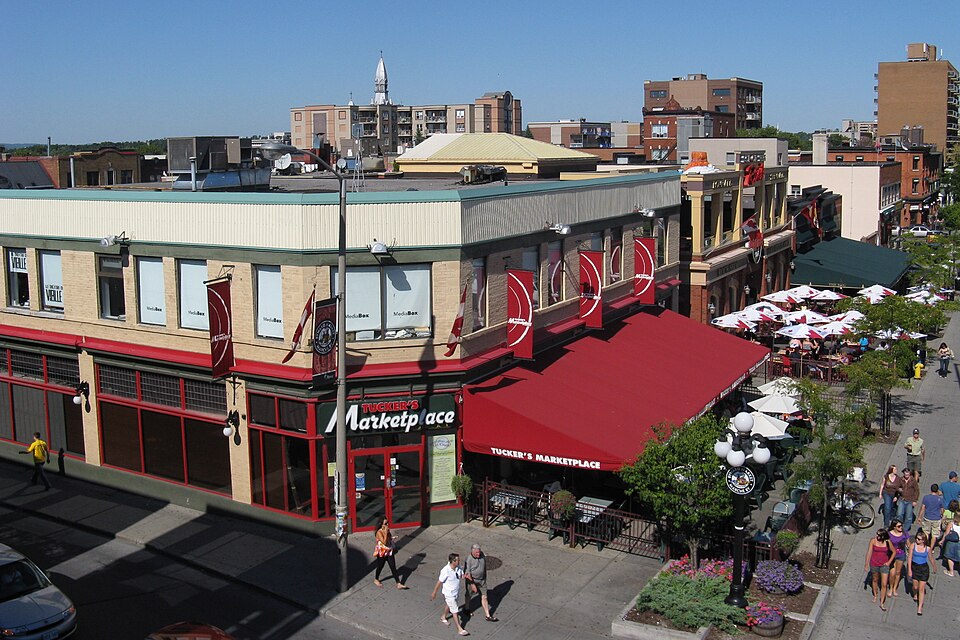
The current ByWard Market Building dates to 1928 and still anchors the neighbourhood's restaurant and retail scene, now home to more than 500 independent businesses. It's Ottawa's single biggest tourist draw, pulling an estimated 50,000 visitors on a typical summer weekend.
The real estate around it reflects two centuries of layered growth: everything from affordable co-op townhouses to luxury condo towers and grand heritage homes, especially closer to the river. Some of those condo and apartment units command some of the best views in the city, looking out over the Ottawa River and across to the Gatineau Hills. About 12,100 people call the wider ByWard Market-Lowertown neighbourhood home, in one of the core's more bilingual pockets, with the National Gallery of Canada, Bytowne Cinema, and a handful of parks rounding out the area.
Two landmarks on the market's doorstep show just how much prestige has gathered around it over the years. The Fairmont Château Laurier opened in 1912, built by Grand Trunk Railway president Charles Melville Hays right at the market's edge overlooking the canal. And along Sussex Drive, the United States Embassy opened in 1999 on what had been a small hill and parking lot on the market's western edge about as close as a foreign government gets to setting up shop next door to a farmers' market.
Outdoor market stalls still line the streets in season, selling produce and flowers the way they always have, while the restaurants, bakeries, and nightlife along George, William, and York Streets keep pulling in crowds well into the evening.
The Takeaway
Nearly two hundred years later, the same patch of drained cedar bog Colonel By set aside for a public market is still one of the most valuable, most visited pieces of real estate in the city. The buildings have burned down and been rebuilt four times over, the city around it has changed almost beyond recognition, but the market itself never moved. Put the right piece of shared infrastructure in the right spot, and it can anchor a neighbourhood's value for longer than anyone involved could have imagined.
Ready to start your home buying journey in Ottawa? We'd love to be part of it. Reach out to us at OttawaSelect.ca — we work with first-time buyers regularly and know how to make a process that can feel overwhelming feel completely manageable.



ALL Right Reserved. Copyright 2026.