Ottawa's Streetcars: The Rails That Decided Where the City Would Grow
Ottawa's Streetcars: The Rails That Decided Where the City Would Grow
Two Inventors and a Streetcar
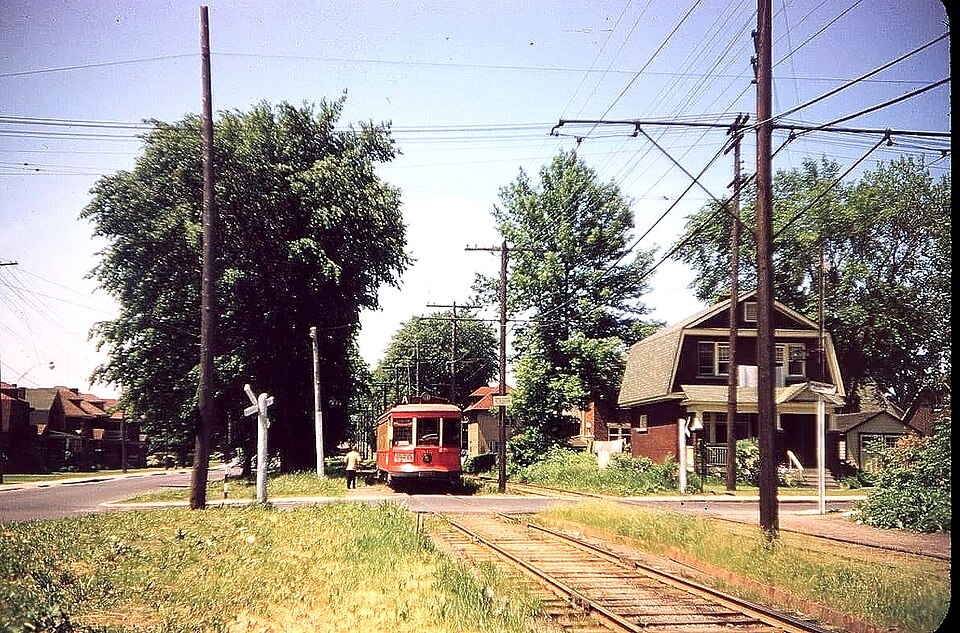
In 1891, two Ottawa entrepreneurs, Thomas Ahearn and Warren Y. Soper, won a 20-year franchise from city council and launched the Ottawa Electric Railway. The first electric streetcars started running that June, and by 1893 the company had absorbed the old horse-drawn Ottawa City Passenger Railway Company to become the only game in town.
It was a genuinely innovative system for its era Ottawa's streetcars were among the first electrically heated cars anywhere in the world, which mattered quite a bit for a city that spends five months a year below freezing. Ridership exploded: by 1921, the average resident was taking 336 streetcar trips a year.
Wherever the Rails Went, the Lots Sold
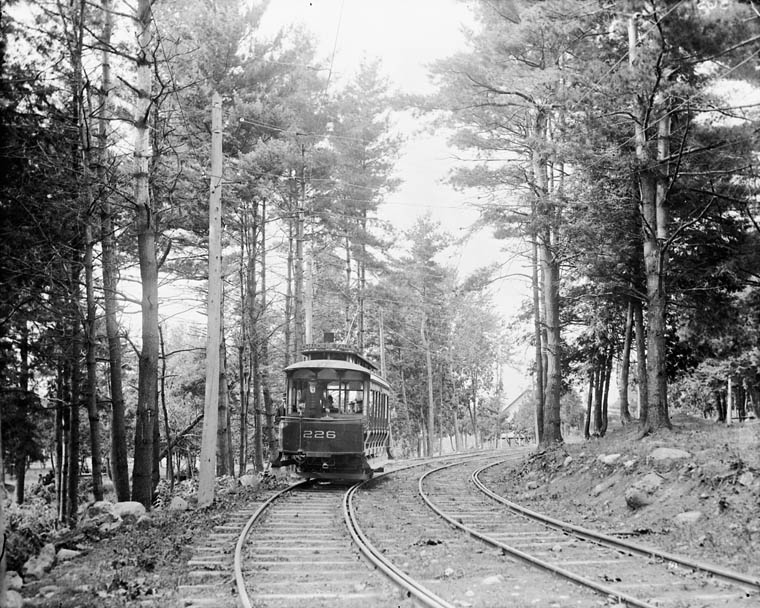
This is where it gets interesting for real estate. The streetcar didn't just move people around an existing city it decided which farmland got turned into neighbourhoods first, and in what order. Old Ottawa South and the Glebe both grew directly out of streetcar lines reaching them. Westboro followed the same pattern, along with easy access to recreational draws like Britannia Park and Rockcliffe Park. Farmers and landowners along those routes saw their land values climb as soon as a line was announced, because a lot without streetcar access and a lot with it were simply not the same product.
One small, concrete example: in 1908, the railway bought 26 lots near Huron and Holland to build a storage yard and waiting station. When the system was taken over by the city in 1948, that yard was no longer needed it was subdivided and sold to a local builder, who put up nine duplexes on the site between 1948 and 1950. A streetcar yard became nine houses almost overnight, which is about as direct a line from transit to housing as real estate gets.
Done In by the Cars It Helped Create
The system that built those neighbourhoods eventually got strangled by the traffic those neighbourhoods produced. Fares stayed frozen at five cents from 1924 onward, even as maintenance costs climbed, and by the 1950s the streetcars were actually getting slower 1956 service was slower than it had been in 1901, thanks to automobile congestion on the same streets. Some neighbourhoods, including the Glebe, pushed back against new routes through their residential streets, and overhead power lines became an increasingly unpopular sight.
The city bought out the company's assets for $6.3 million in 1950 and ran it as the Ottawa Transportation Commission, but a 1958 study recommended switching to diesel buses, and the last streetcar on the Britannia line ran on May 1, 1959, after 68 years in service. OC Transpo took over bus operations in 1973.
The Takeaway
The tracks are long gone, but the neighbourhoods the streetcars built are still some of the most walkable, desirable addresses in the city Old Ottawa South, the Glebe, and Westboro all trace their shape back to where those lines ran. It's a pattern that never really went away: transit access still decides which streets become sought-after and which stay overlooked, it's just LRT stations doing the deciding now instead of streetcar lines.
The LRT's rollout hasn't exactly been seamless, but the real estate effect underneath it hasn't changed one bit. One 2013 study found that homes within a few blocks of a transit station can see their value climb by as much as 20 percent the same basic bump farmers along the old streetcar routes saw over a century ago. If you want to know where Ottawa real estate is headed next, it's still worth looking at where the rails are going.
Ready to start your home buying journey in Ottawa? We'd love to be part of it. Reach out to us at OttawaSelect.ca — we work with first-time buyers regularly and know how to make a process that can feel overwhelming feel completely manageable.