Orléans: From a French Village to Ottawa's Second-Largest Suburb
A Village That Became a City Within a City
In the 1830s, Orléans was a handful of farms along the Ottawa River, settled by French-Canadian pioneers. Today it's Ottawa's second-largest suburban community, home to well over 125,000 people.
That's not gradual growth. That's a village that became a city within a city and most of it happened within a single lifetime.
The Origin
French-Canadian pioneers, including François Dupuis, settled the area in the 1830s. The community later became known as Saint-Joseph d’Orléans. The community was first known as the Village of Saint-Joseph d'Orléans, with its first subdivision plans laid out in 1858 within Gloucester Township and a post office approved in 1860.
It grew as a predominantly French-speaking community: by 1880, there were 131 Francophone families to just 43 Anglophone ones. That heritage is still visible today on St-Joseph Boulevard, one of the oldest main streets in the area and a direct link back to the original village name.
The Growth
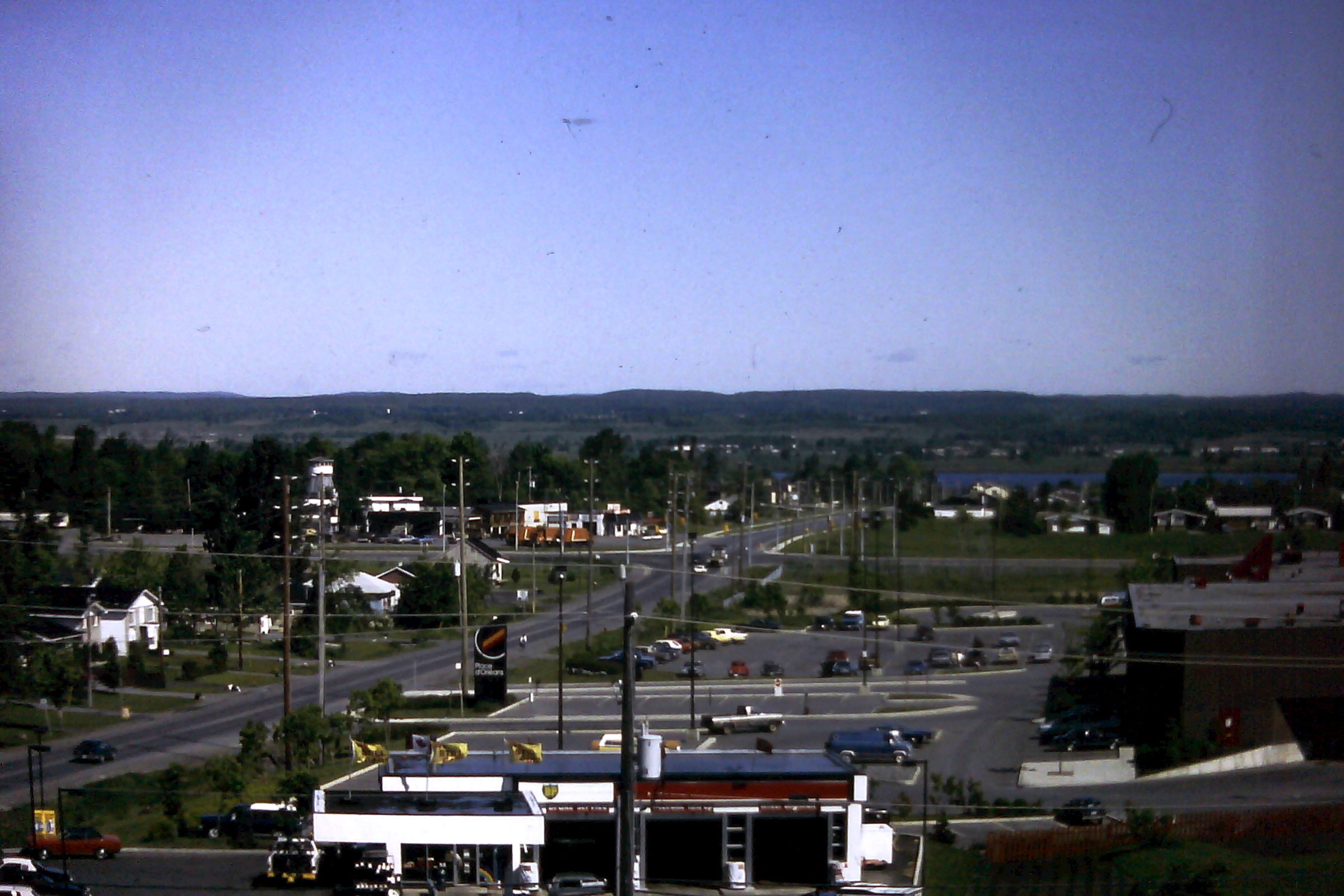
The real explosion came in the second half of the 20th century. Orléans had about 6,000 residents in 1971. By 1991, that number had grown to 70,000. By 2021, it had passed 125,000.
For most of that growth, Orléans wasn't even one municipality it was split between the City of Cumberland to the east and the City of Gloucester to the west. That changed in 2001, when Ontario's municipal amalgamation folded both cities into the new City of Ottawa, where Orléans now spans three wards.
The Takeaway
The growth didn't stop at amalgamation. Development pushed further east through neighbourhoods like Avalon in the late 1990s and 2000s, while Innes Road grew into a major big-box shopping corridor alongside the original Place d'Orléans mall, which has anchored the area since 1979. Today Orléans is a genuine mix of mature and newer subdivisions, some dating back more than 40 years to the Queenswood Heights development of the 1960s, right up to streets built within the last decade.
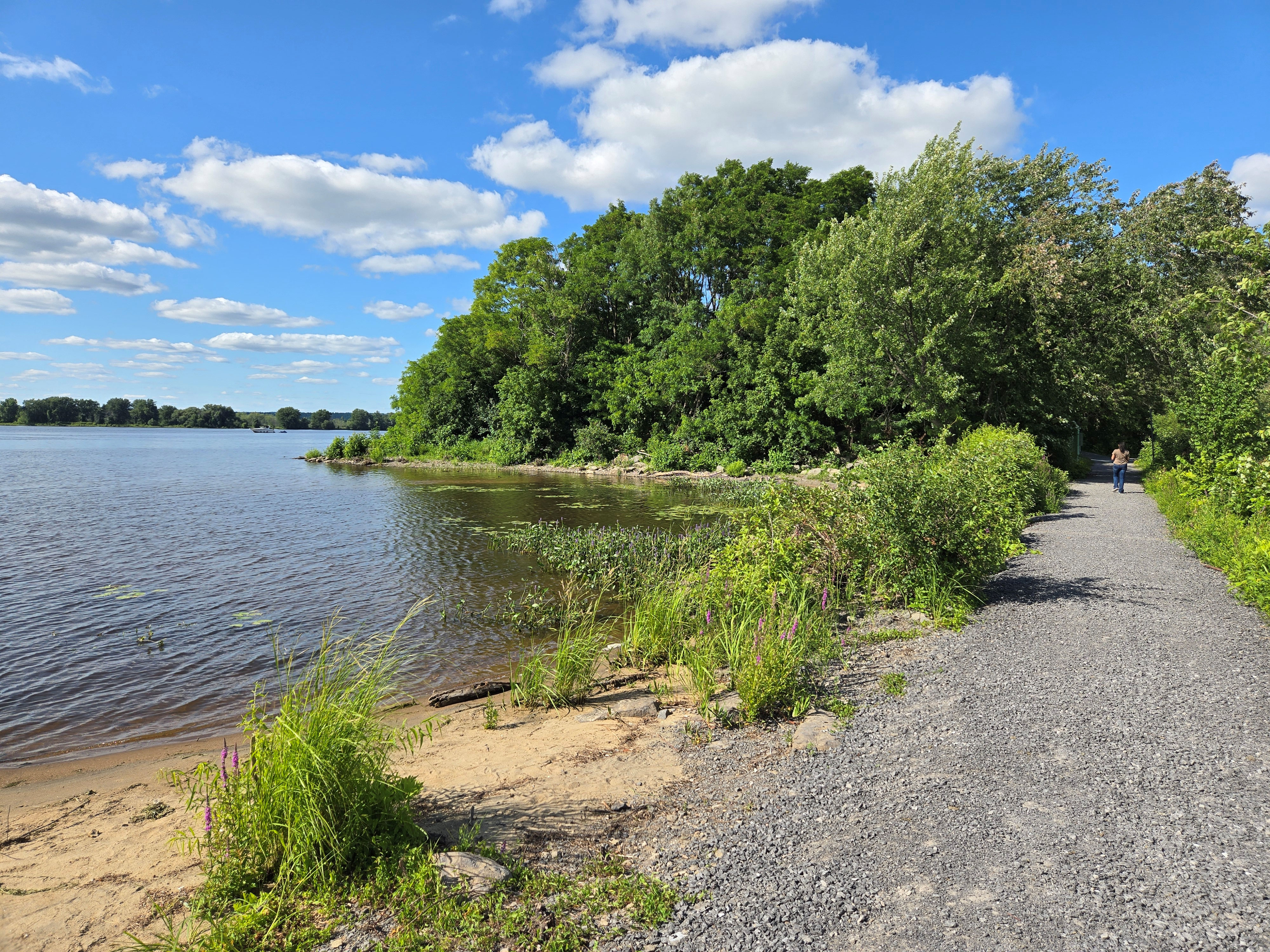
Its French-Canadian roots are still part of daily life, too. Orléans' francophone population has settled at around 30 percent today, supported by French-language schools, the Shenkman Arts Centre, and MIFO's francophone programming, alongside English, public, and Catholic school boards that all operate right in the community. And to the north, the Ottawa River still defines the neighbourhood's edge, with Petrie Island giving residents beaches, trails, and a nature reserve that most big-city suburbs can only dream of.
Ready to start your home buying journey in Ottawa? We'd love to be part of it. Reach out to us at OttawaSelect.ca — we work with first-time buyers regularly and know how to make a process that can feel overwhelming feel completely manageable.