Kanata: The City One Developer Built From Farmland
A City Built, Not Grown
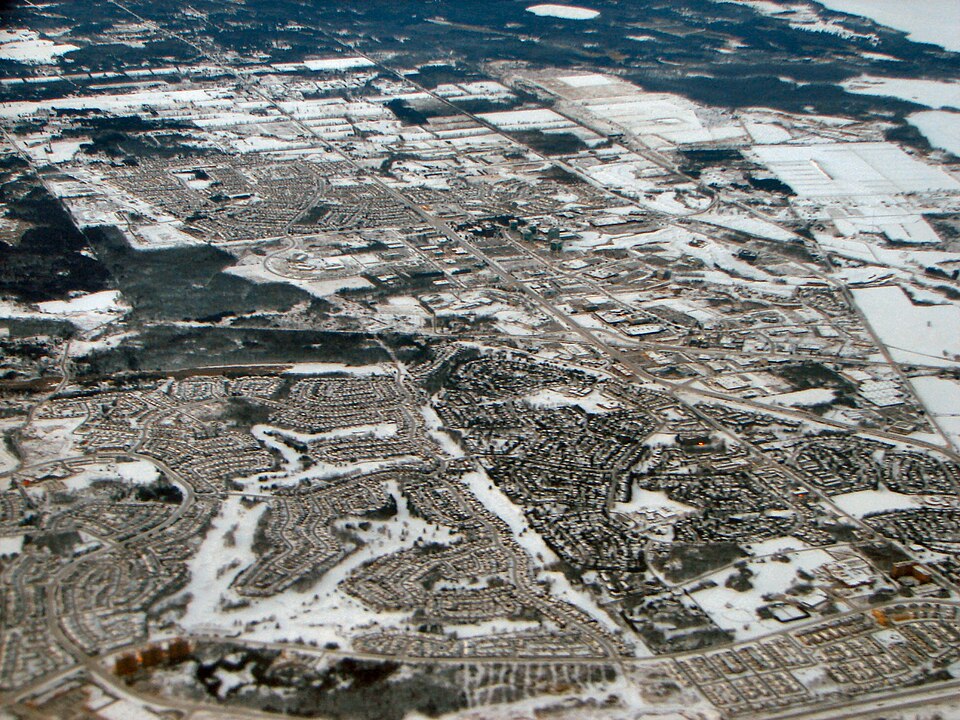
Most cities grow up slowly, one farmhouse and one general store at a time, over a century or more. Kanata didn't. It was farmland in March Township one day, and within a couple of decades it was a planned city with its own name, its own economy, and eventually its own place on the map as one of the fastest-growing communities in Canada.
It took one developer with a very specific vision to make that happen.
The Origin
In the early 1960s, developer Bill Teron bought more than 1,200 hectares of March Township farmland and set out to build a planned community from the ground up, based on garden city principles: a mix of housing types, commercial centres, and greenbelts woven together rather than bolted on afterward.
The first neighbourhood to come out of that plan was Beaverbrook, named after Max Aitken, Lord Beaverbrook. Its first street, Tiffany Crescent, was built in 1964 making Beaverbrook the oldest residential neighbourhood in what would become Kanata.
Beaverbrook's Design and Where the Name Kanata Came From
Teron designed Beaverbrook as what would now be called a "15-minute community" decades before the term existed: schools, parks, housing, and pedestrian routes were all planned together rather than added piecemeal, with easy walking access to daily needs built in from the start. He believed access to nature was essential to wellbeing, and wanted the neighbourhood to capture what he called "the Spirit of Kanata" in every way possible. The hedged houses, pathways, and generous green space he designed have barely changed since the 1960s enough that Beaverbrook is now the subject of a heritage study that could make it a heritage conservation district, potentially the first outside Ottawa's Greenbelt.
The name Kanata itself didn't arrive until 1978, when the area was incorporated as its own city and residents chose the name by referendum beating out Hazeldean, March, and Kairnwood.
Fittingly, the word "Kanata" itself is a Huron-Iroquois term meaning "village" or "settlement" the very same word Jacques Cartier picked up in 1535 that eventually gave the whole country its name, Canada. A planned community choosing the word for "village" as its own name is either a happy coincidence or exactly the kind of detail Teron would have appreciated.
Kanata has grown well beyond Beaverbrook since then. Today it's made up of a patchwork of distinct subdivisions among them Kanata Lakes, Bridlewood, Glen Cairn, Katimavik-Hazeldean, Morgan's Grant, Blackstone, Arcadia, South March, and the Kanata Town Centre each with its own character, all built up over the decades on top of Teron's original plan.
The Takeaway
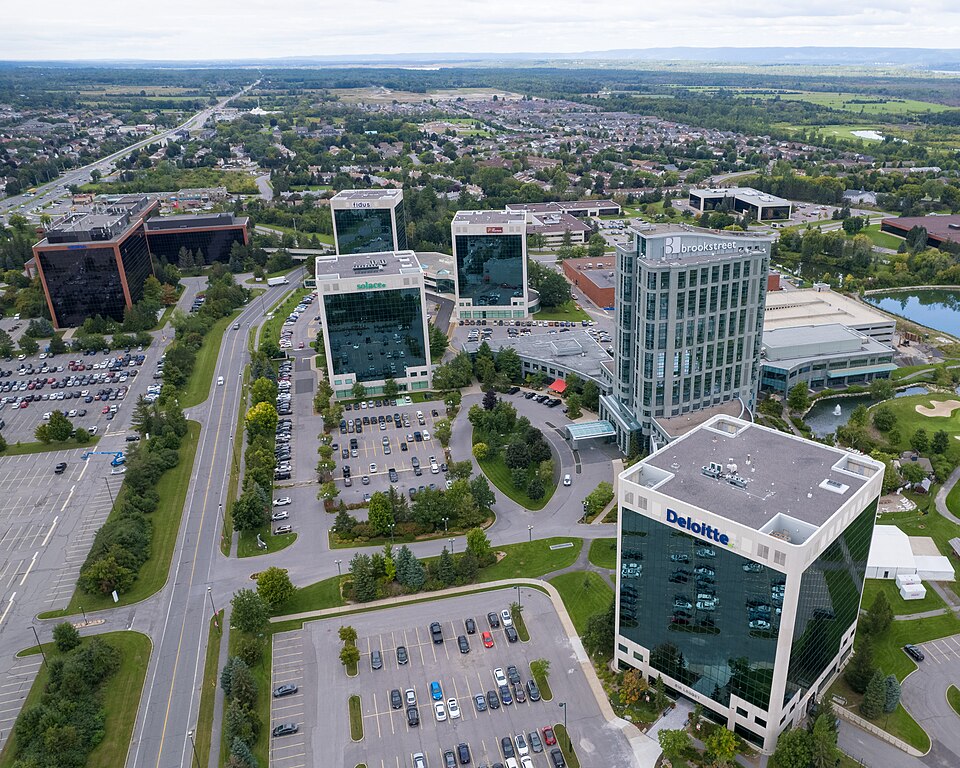
Teron's vision went beyond housing. He reserved land for a technology park early on and offered discounted land to attract the first wave of tech companies a bet that paid off decades later when Kanata grew into "Silicon Valley North," home to BlackBerry, Mitel, Cisco, Nokia, and others. In 2001, the independent City of Kanata was amalgamated into the City of Ottawa, but the neighbourhood Teron built first is still right where he put it.
It's a reminder that a single, complete vision for a piece of land housing, nature, community, and industry all planned together can shape an entire region's identity for generations. Kanata isn't just a suburb that happened; it's a plan that worked.
Ready to start your home buying journey in Ottawa? We'd love to be part of it. Reach out to us at OttawaSelect.ca — we work with first-time buyers regularly and know how to make a process that can feel overwhelming feel completely manageable..