Hunt Club: Ottawa's Suburb Named After a Fox Hunt
Hunt Club: Ottawa's Suburb Named After a Fox Hunt
Named After a Fox Hunt, Not a Shopping Mall
Most people who shop at South Keys or drive Hunt Club Road have no idea the name has anything to do with hunting. But it does. Back in 1876, a landowner named William Upton noted in his diary that "The Ottawa Hunt" was active on the land south of the city, a hunt club, in the old foxhunting sense, not a retail plaza.
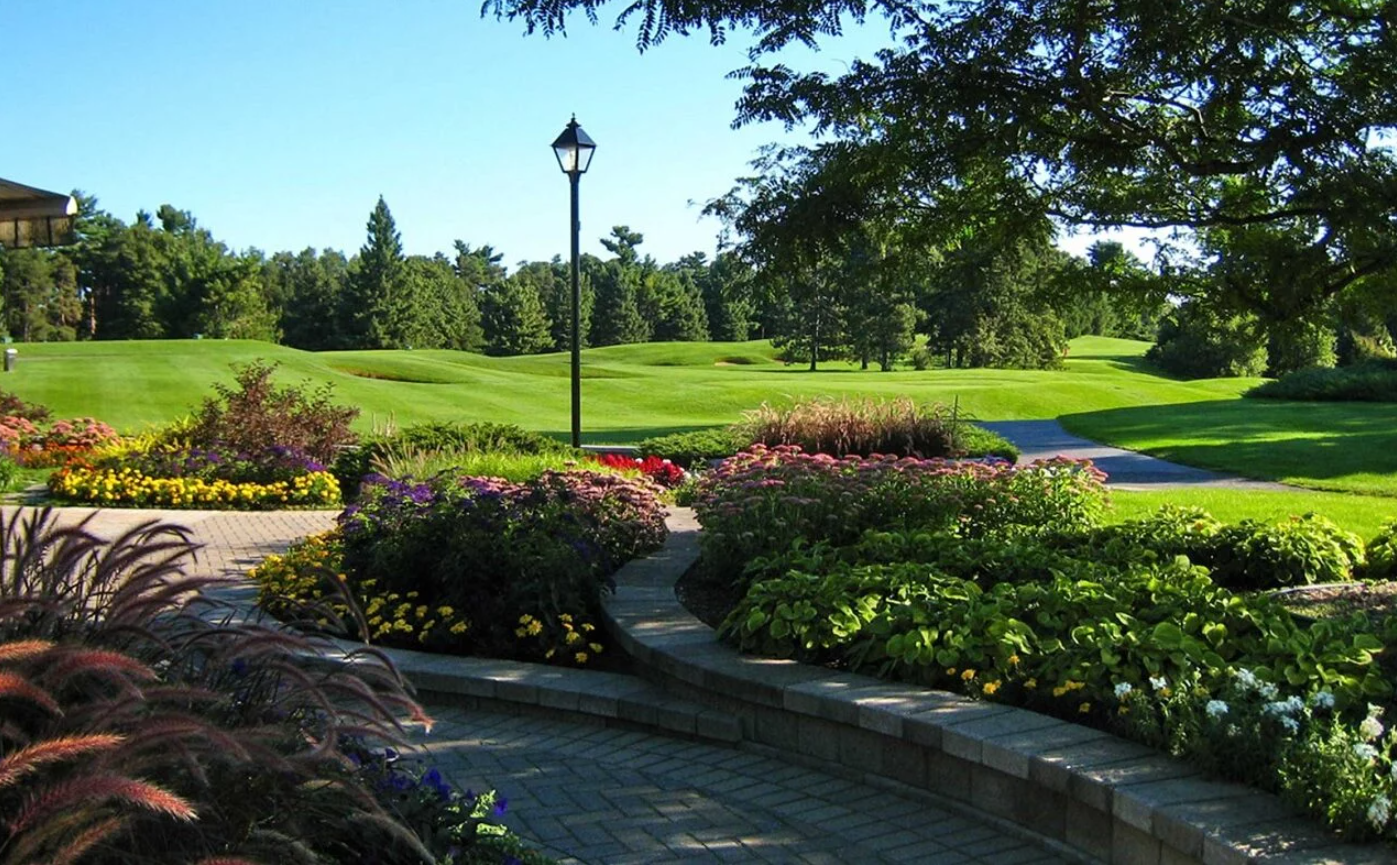
In 1907, Upton's son sold the family's southern farmland to Ottawa Hunt Ltd., which turned it into the Ottawa Hunt and Golf Club. That club anchored the area's identity for decades, long before "Hunt Club" meant a neighbourhood full of homes, big-box stores, and an LRT station.
From Greenbelt to Bedroom Community
For a long time, the area around the golf club stayed rural. Jacques Gréber's 1950 master plan for the National Capital actually designated the land as part of a rural greenbelt meant to limit how far Ottawa's suburbs could sprawl.
That held until the 1970s, when serious development finally arrived. The stretch east of Bank Street was planned as what one local history calls "a pure bedroom community for all ages," with little local employment or shopping of its own, just rows of new homes. Hunt Club Road itself grew alongside the houses: it originally dead-ended at the golf club, then was extended west to Riverside Drive and east to Hawthorne Road through the 1970s and '80s, widened to two lanes each way by 1994, pushed across the Rideau River in the late 1990s, and finally connected through to Highway 417 in 2014.
Hunt Club and South Keys Today
South Keys, just north of Hunt Club Road, was the first subdivision built south of the CN rail line back in the 1960s, and its shopping centre, anchored by Loblaws, Walmart, and a Cineplex, opened in 1996 and is still the area's commercial hub.
Hunt Club itself holds roughly 32,000 homes across a wide stretch of the city's south end, and the housing mix reflects that scale: most of it dates from the 1970s and '80s, with newer construction around Sawmill Creek, and everything from subsidized apartments to large homes along the waterfront. It's one of Ottawa's more diverse communities by age, ethnicity, and income, helped along by its location near the airport and employers like NAV Canada. The Ottawa Hunt and Golf Club, meanwhile, is still there, still private, still green, still the reason the whole area carries its name.

The Takeaway
A private golf club from 1907 ended up naming one of Ottawa's biggest, most varied suburbs, and the club itself outlasted the greenbelt plan that was supposed to keep development away for good. It's a reminder that the amenities and green space near a neighbourhood can shape its identity, and its appeal, for well over a century. Hunt Club was never really about the hunt. It's about the land that hunt club happened to sit on, and what eventually got built around it.
Ready to start your home buying journey in Ottawa? We'd love to be part of it. Reach out to us at OttawaSelect.ca — we work with first-time buyers regularly and know how to make a process that can feel overwhelming feel completely manageable.